Read the vehicle
Read-only acquisition of diagnostic data from the Suzuki ECU through SDL. Decoding, checking signals and presenting useful parameters in the dashboard.
03 Personal projects
I design, build, connect and test. DriveOS, Casa Asciutta and LowSpec 3.0 are three different ways of turning a real need into a working system: software, electronics, home automation and astronomical instrumentation.
01 Onboard systems
Personal project · In developmentA custom digital cockpit for my Suzuki.
The starting point is a practical question: how can a vehicle bring together useful information and modern tools in a coherent interface? DriveOS is my answer, built on Raspberry Pi and developed around the way I use the vehicle.
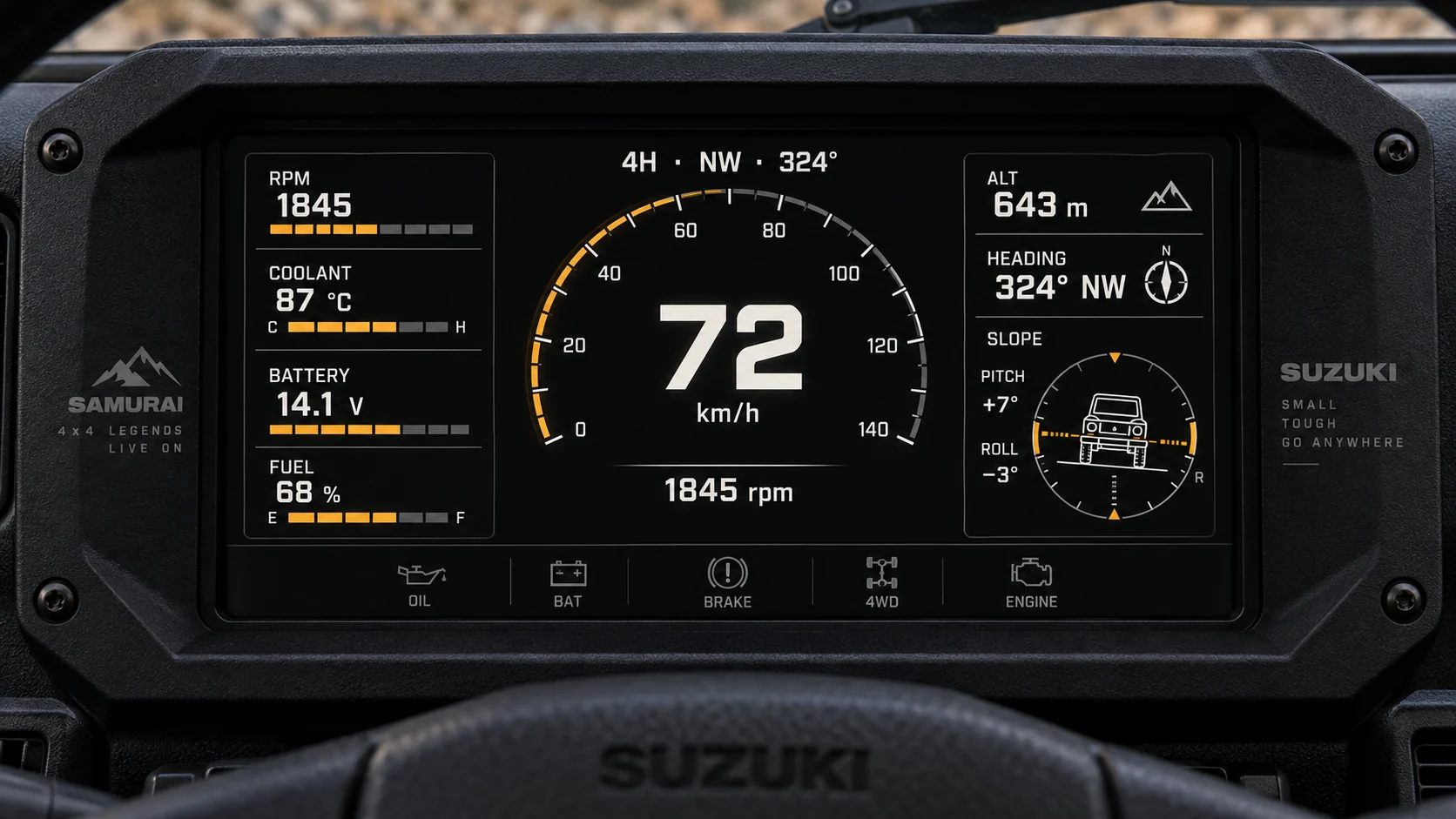 In-vehicle setup
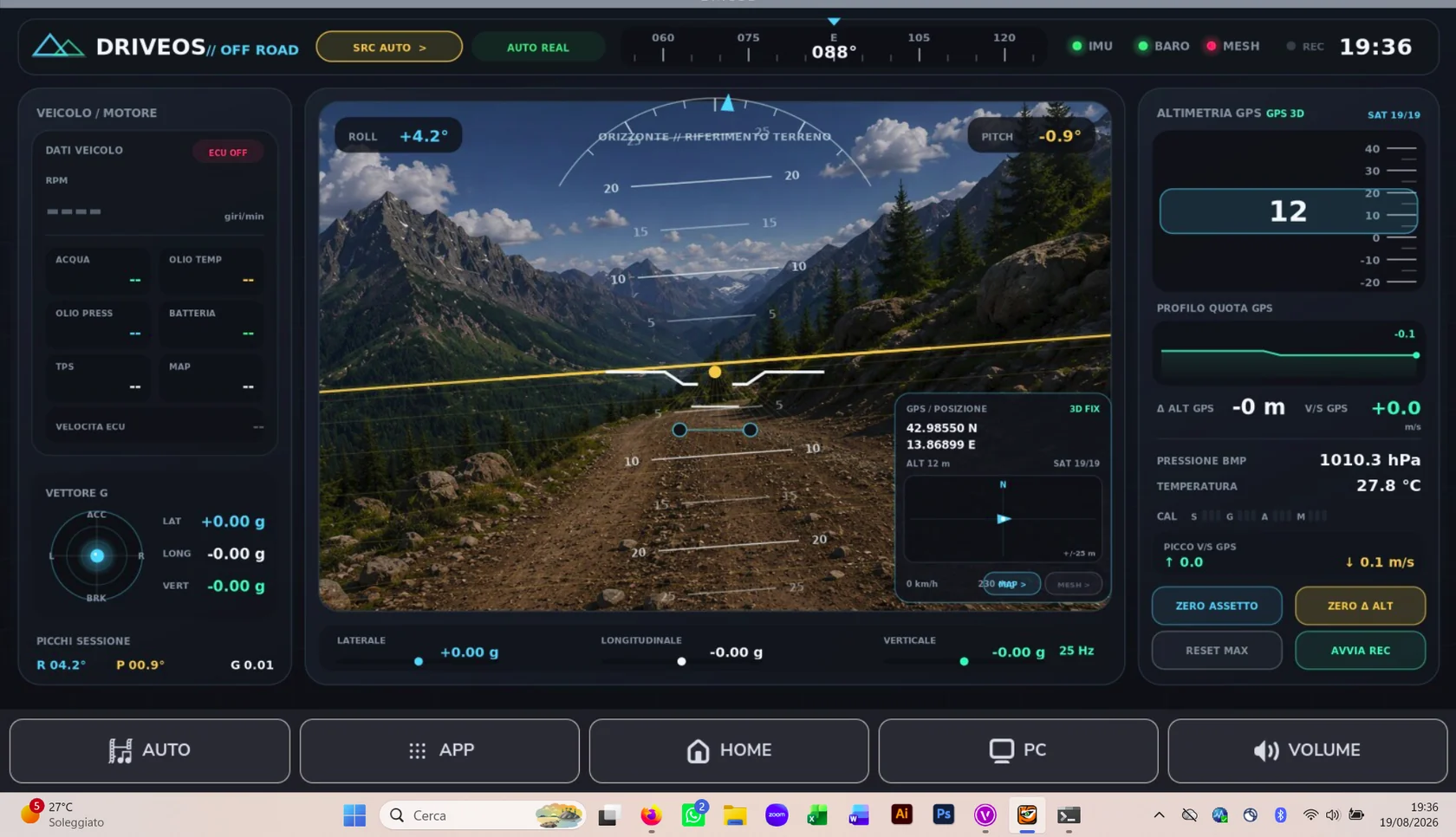 Off-road cockpit
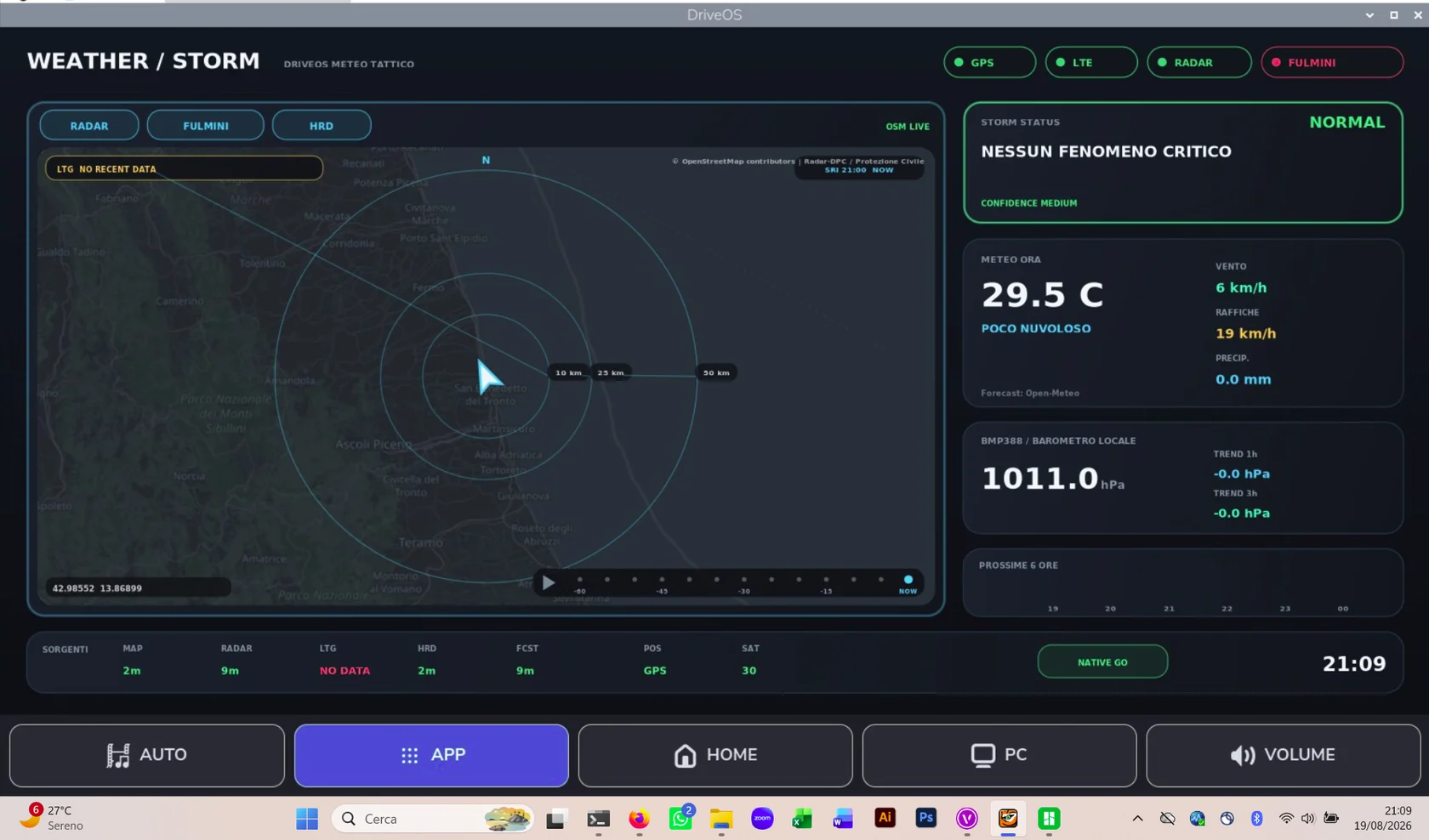 Weather / storm
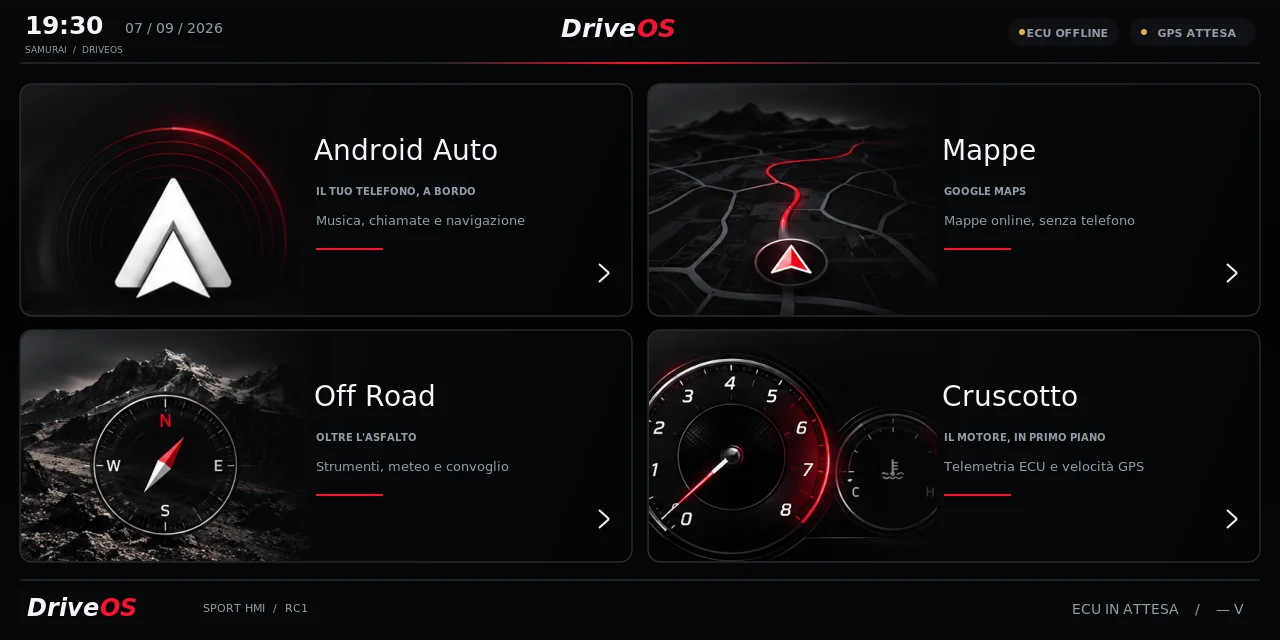 Launcher
Read-only acquisition of diagnostic data from the Suzuki ECU through SDL. Decoding, checking signals and presenting useful parameters in the dashboard.
Topographic and satellite views, selectable map layers and convoy tools bring geographic information into the onboard experience.
A custom launcher connects the dashboard, maps, applications and multimedia. Layout and controls evolve through tests on the actual display.
Inside DriveOS · Electronics & PCB
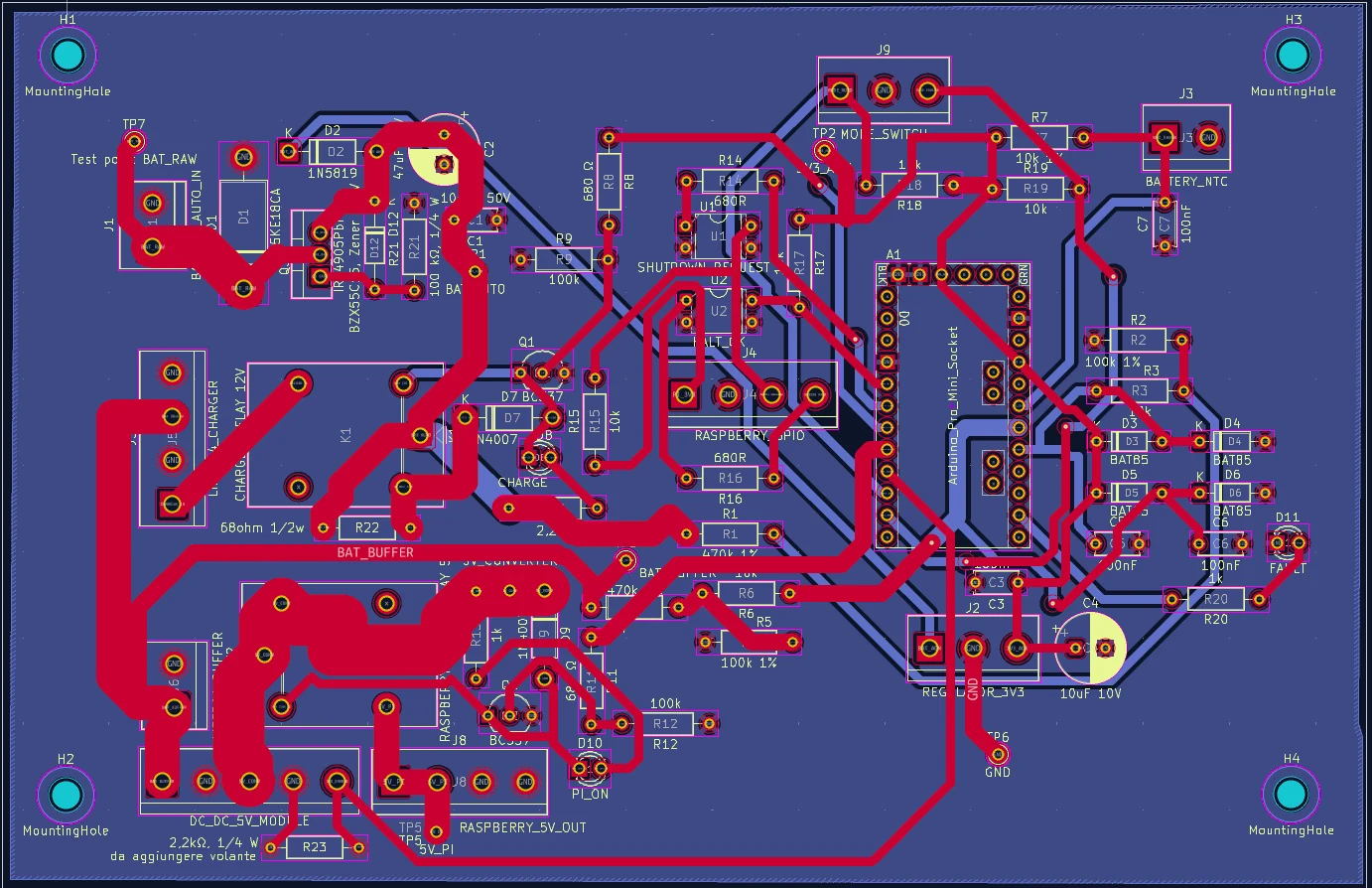
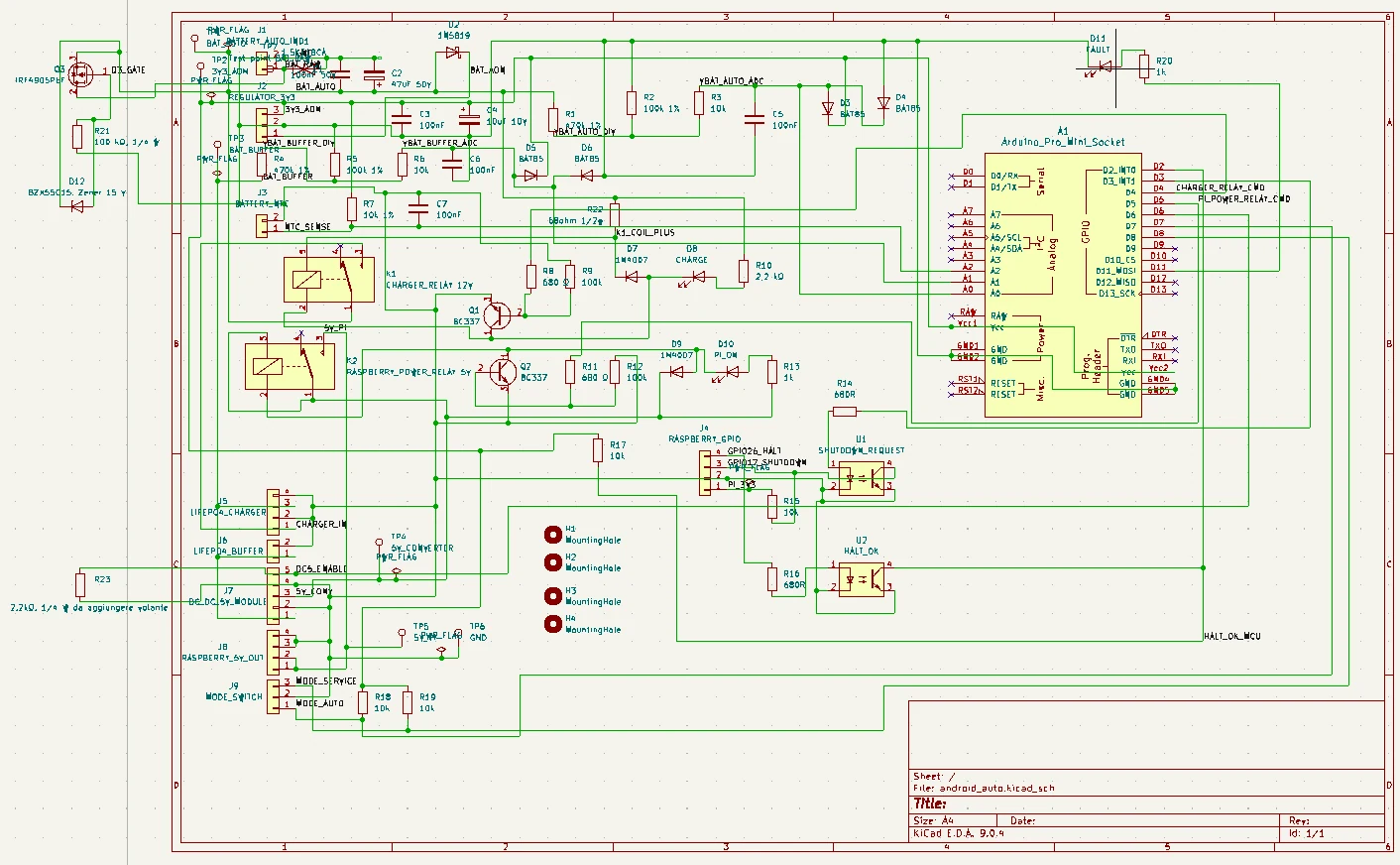
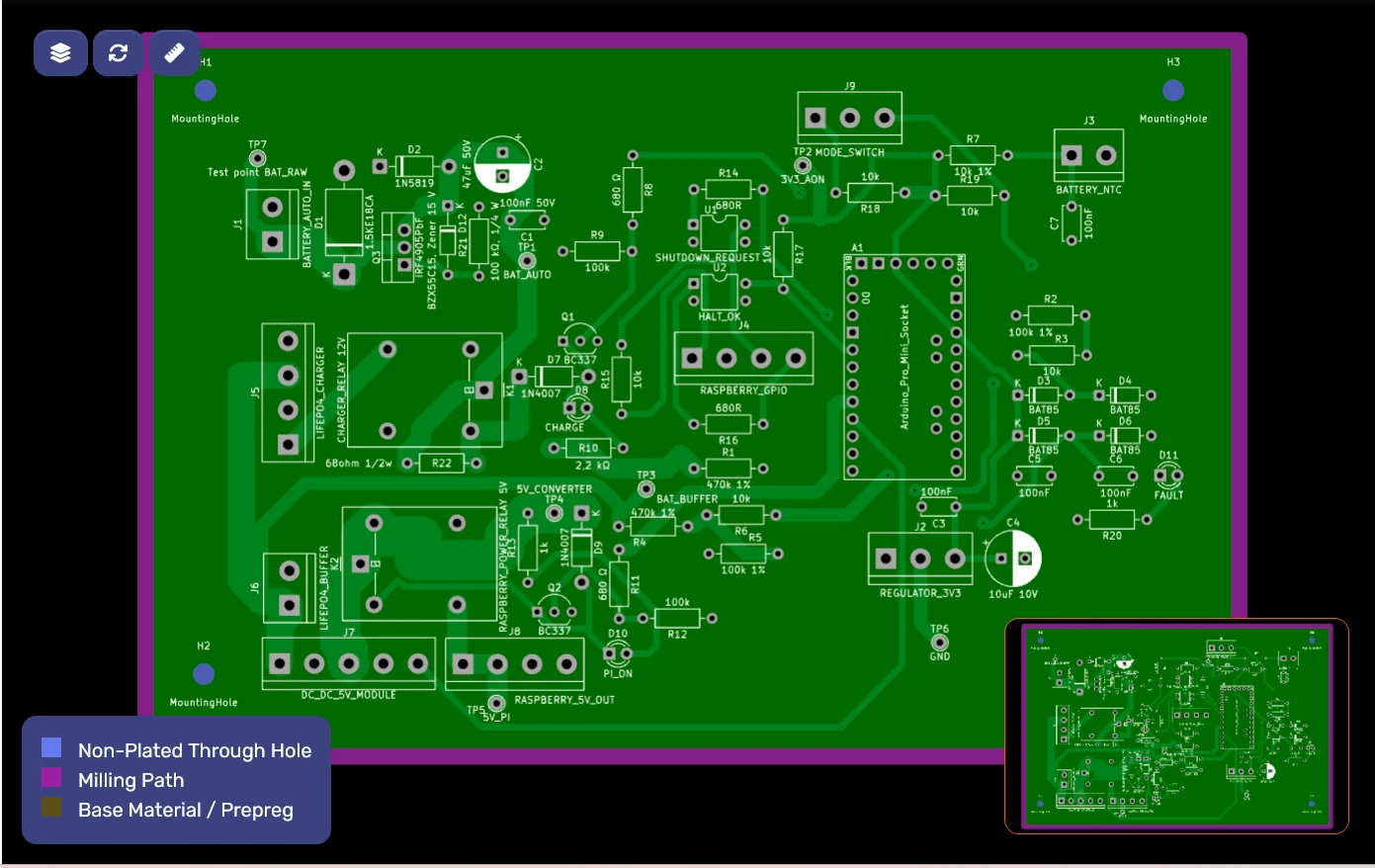
One of the technical layers of DriveOS is the electronics behind it: schematic capture, component integration, PCB placement and routing, and design review in KiCad.
These images document the DriveOS power controller: a real board developed to integrate power management, relays, protection and Raspberry Pi control signals.
02 Home automation
Personal project · In developmentFrom condensation prevention to a connected home.
A real humidity problem became a project: observe the most exposed areas, understand the conditions and coordinate the available devices. Born on ESP32 and now running on a Mac mini with Ubuntu, Casa Asciutta brings monitoring, custom automation and household controls into one portal.
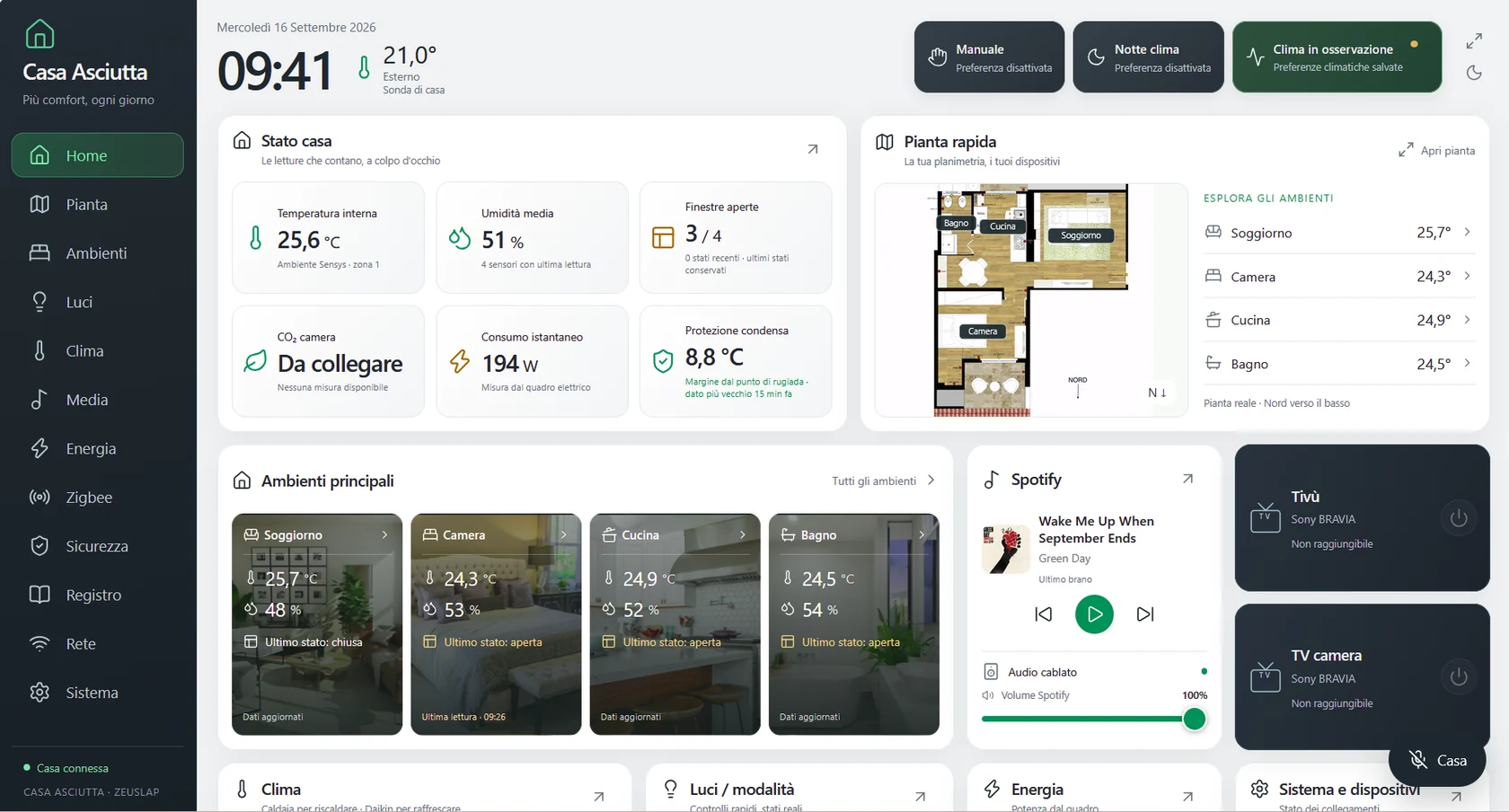 Home dashboard
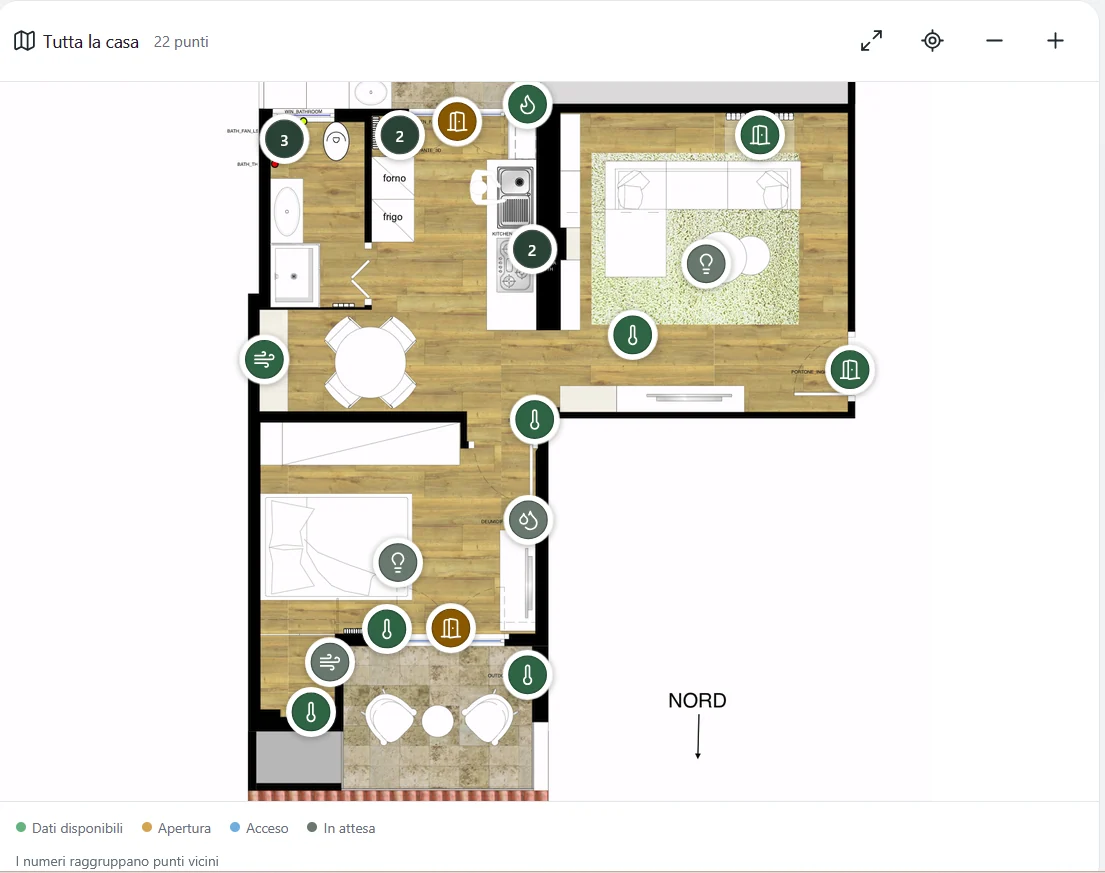 Interactive floor plan
Wireless temperature and humidity sensors and a wall probe provide a view of the areas most exposed to condensation. The readings support decisions about when to intervene.
Custom logic connects environmental readings to ventilation and climate devices. Mechanical ventilation runs continuously at minimum speed, with relay-controlled boost when needed.
A shared portal collects sensor states, device controls and household integrations. The interface is evolving towards a dedicated touch display.
03 Astronomical instrumentation
Personal project · Built and in useA self-built slit spectrograph to turn starlight into measurements.
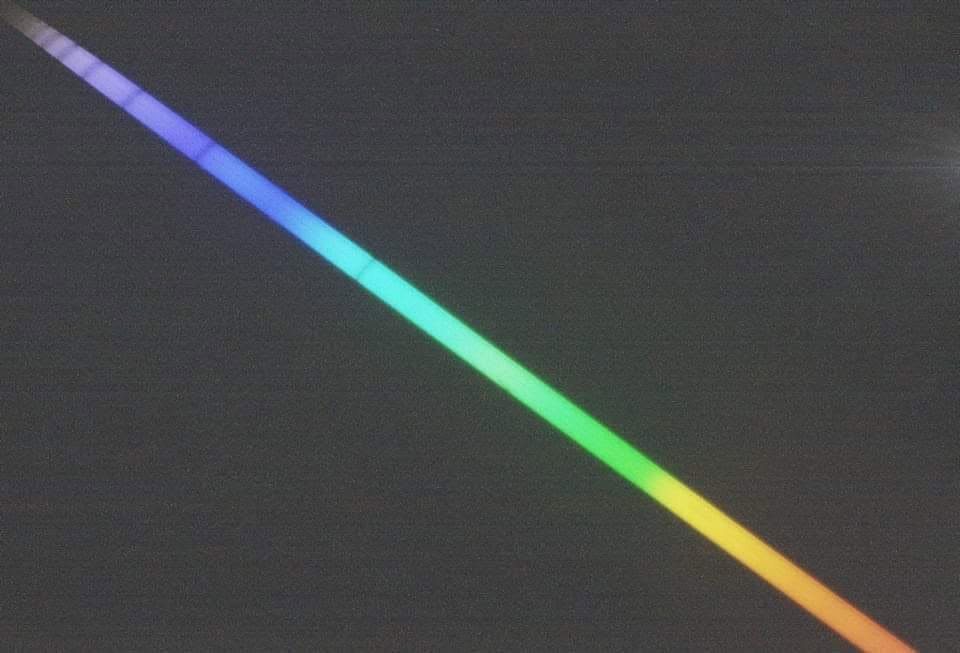
I built and aligned a LowSpec 3.0 based on Paul Gerlach’s public design, then integrated it into my own observing setup. The project goes beyond assembling the instrument: it includes optical alignment, acquisition, calibration and reduction of real stellar spectra. LowSpec 3.0 ↗
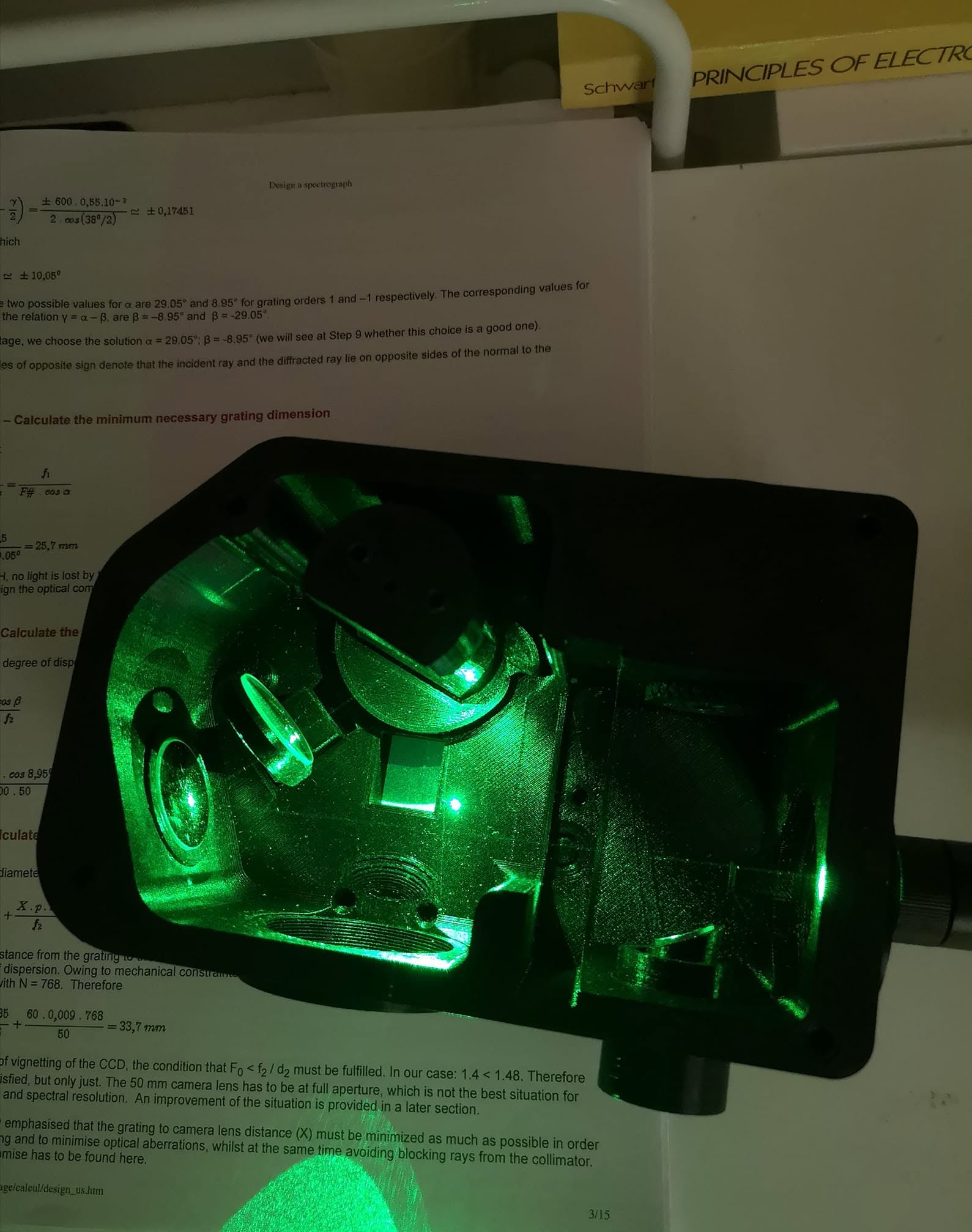 Optical alignment
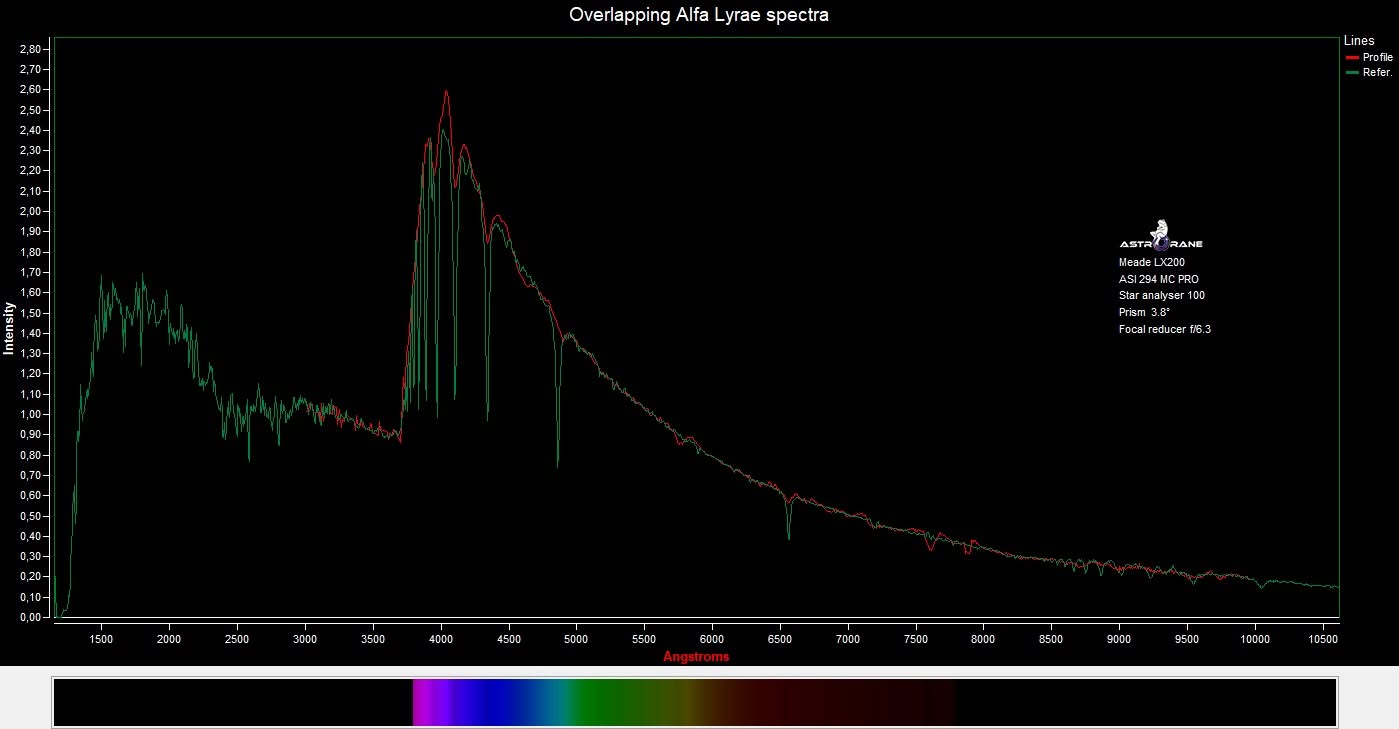 Vega / α Lyrae
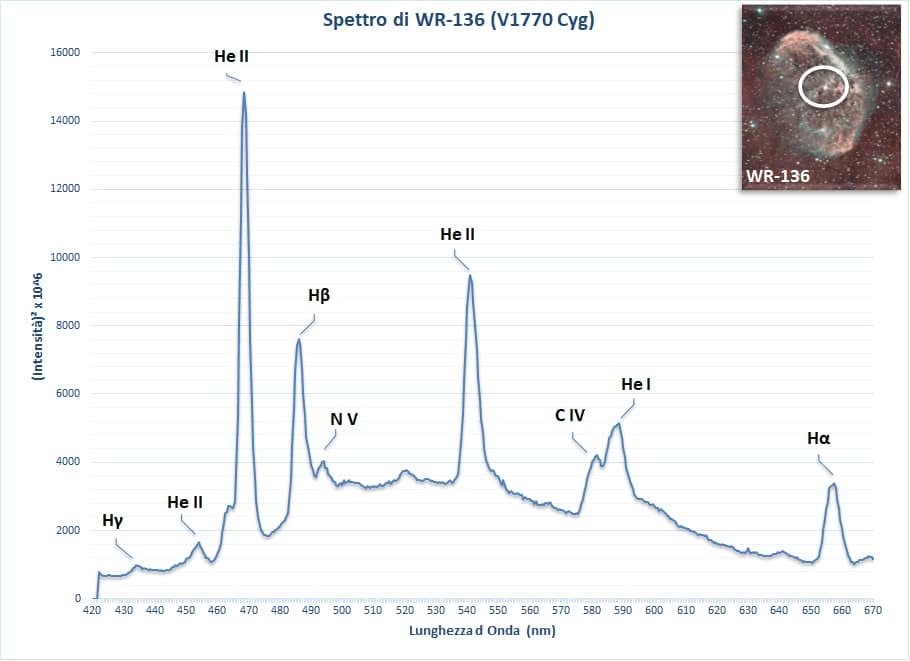 WR 136
Assembly of the 3D-printable LowSpec structure, integration of the optical components and mechanical adjustment of the spectrograph around a real observing setup.
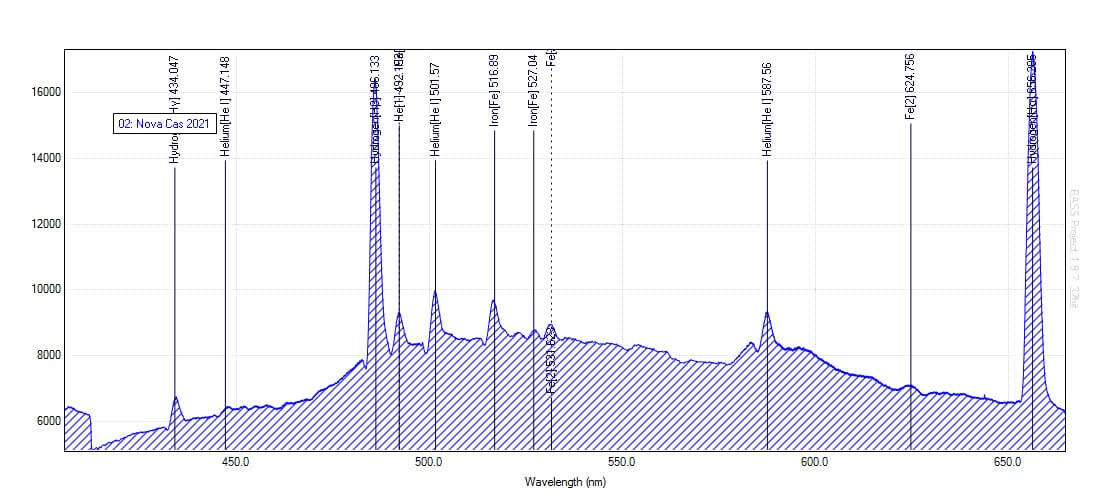
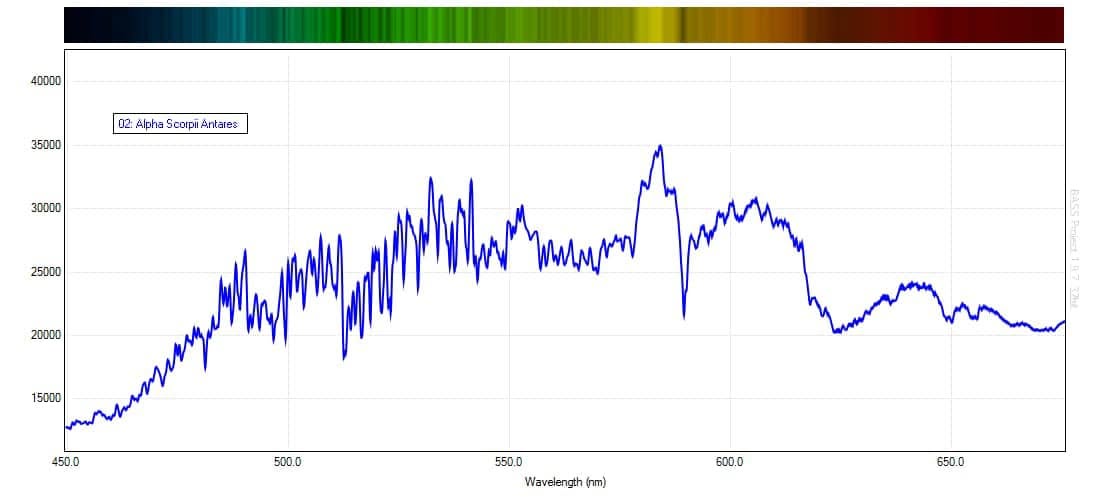
Optical alignment, focus and grating setup are verified experimentally, including laser tests and the use of 300/600 l/mm gratings with the Moravian G-8300 and ASI120MM cameras.
The acquisition workflow continues in BASS with wavelength calibration, background and cosmetic correction, response/continuum work and extraction of comparable one-dimensional spectra.
A shared approach
These projects grow through the same cycle: a concrete need, a working prototype, integration with real devices or instruments and tests in real use. Each iteration connects the design more closely to the problem it should solve.
Talk about a project ↗